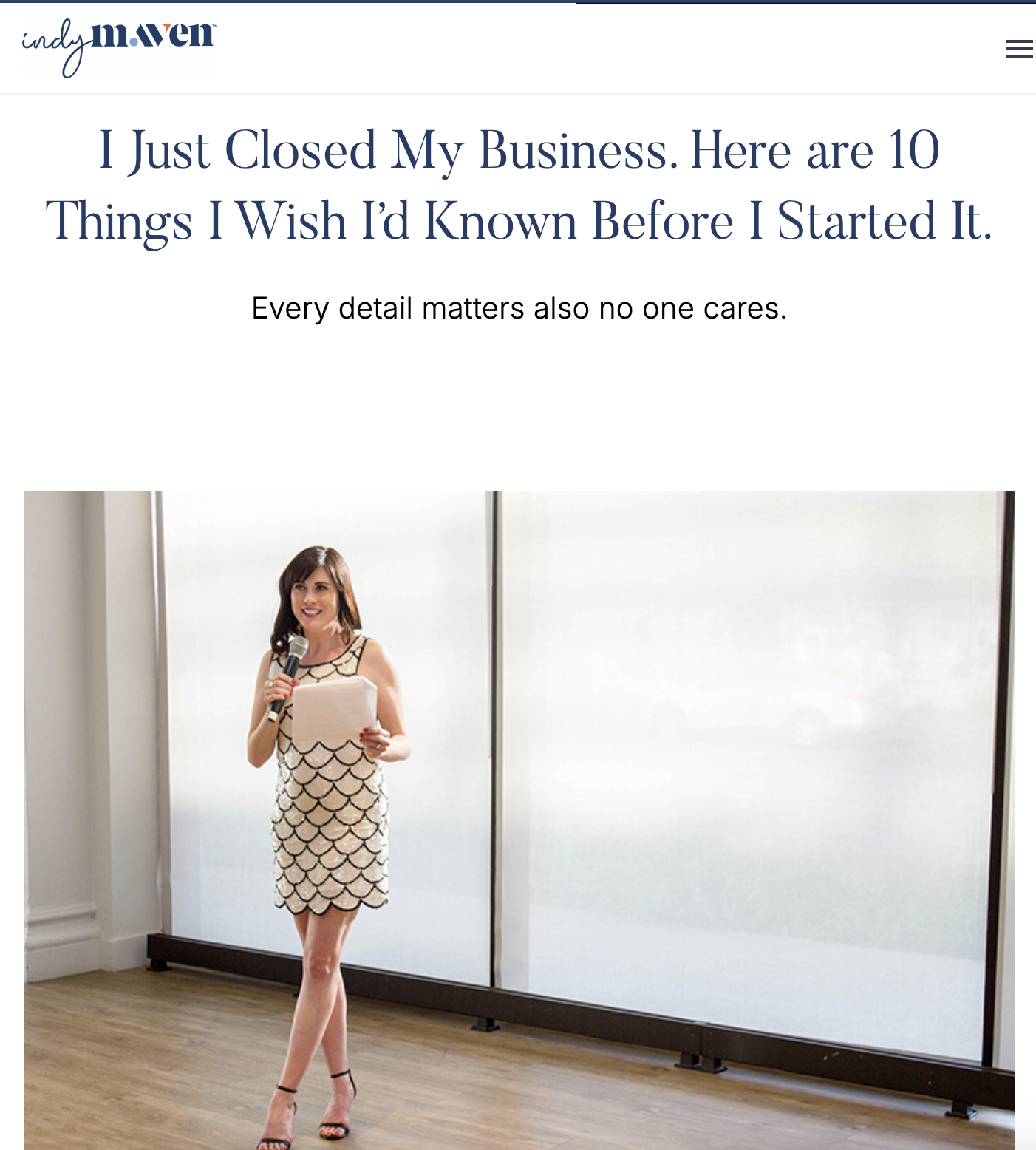
7 Key Lessons Every Business Leader Should Learn from a Fellow Central Indiana CEO

Last week, I came across a LinkedIn post by Leslie Bailey, the founder of Indy Maven. She shared some powerful insights on the lessons she learned when she had to close Maven Space, her coworking and event space. While Leslie's focus was on her own experience, I found myself reflecting on how much of what she said applies to anyone running a business, especially in the nonprofit world.
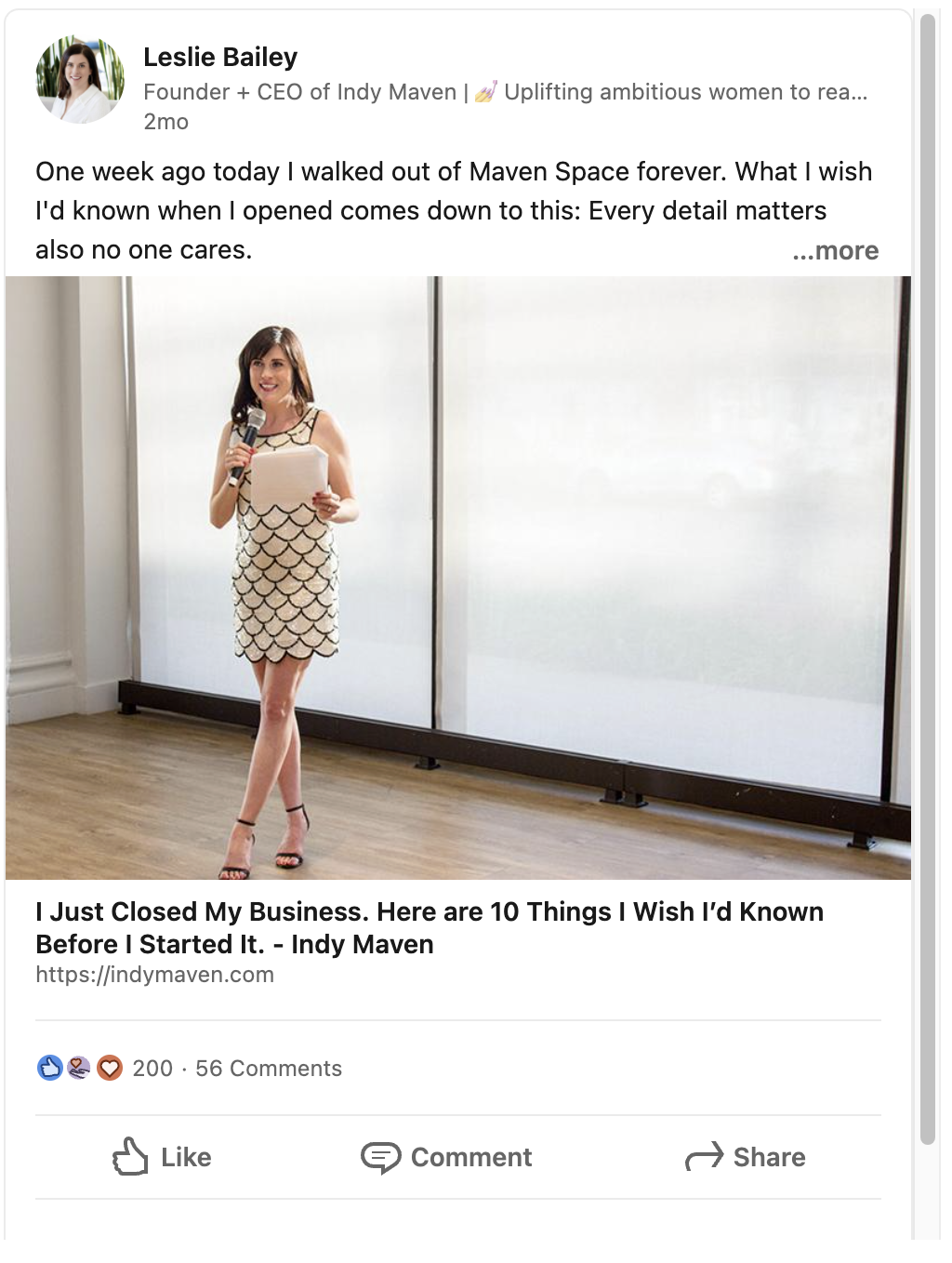
Here are a few key takeaways from Leslie’s post that really stood out to me.
1. You Might Have to Educate Your Market
Leslie writes about how, when she opened Maven Space, she had to spend a lot of time educating people on what coworking spaces were. She was surprised by how many people in Indy hadn’t even heard of the concept.
This made me think about my own experience. Even after eight years in business, I’m still educating people about the value of nonprofit recruiting. It’s a question I get asked all the time: “Do nonprofits really use recruiters?” My answer? “Yes, and here’s why you should consider it.”
In Leslie’s case, it was coworking. In my case, it’s nonprofit talent. And sometimes, it’s all about explaining the basics over and over again.
After eight years in business, I’ve learned that we need to continually educate and re-educate.

2. Find the Right Experts
Leslie talks about how finding a mentor, like Jamie Russo from Everything Coworking, was crucial to her journey. I couldn’t agree more with this.
When I first started Talbott Talent, I had a business partner with decades of recruiting and sales experience. Her guidance and recruiting knowledge was indispensable. In the nonprofit world, there are experts who can teach you how to do things the right way, saving you time, money, and frustration.
As Leslie says, find your "Jamie." Learn from those who have walked the path before you. It’s not just about what you know but who you know - and more importantly, who can guide you.
3. Get Comfortable with Proformas
Leslie writes about how essential it was to understand proformas, and I couldn't agree more. A solid proforma can be a game-changer for any business.
I remember the first time I had to dive deep into my financials. I was nervous about what I’d find. But once I got a solid proforma in place, everything became clear. I could see exactly where the business was headed. No more surprises.
For nonprofits, or any business really, financial clarity is key.

4. Expect Free Requests
If you’ve ever been asked, “Can I pick your brain?” you’re not alone.
It’s a common experience, especially in the nonprofit space. People are curious, trying to figure something out, or hoping to shortcut their learning. And while we understand the intent, here’s the truth: offering seasoned advice takes time, energy, and expertise that’s been earned over years.
At Talbott Talent, we’re always glad to support causes and conversations we care about. But when it comes to business guidance, especially related to hiring, growth, or executive leadership, we’ve learned to set healthy boundaries.
If you’re regularly being asked for free advice, know this. It’s okay to say, “I’d love to talk. Here’s how I typically engage around that.”
That’s not harsh. That’s professional. And it protects the integrity of your work and the value of your time.
5. Don’t Try to Be Everything to Everyone
Leslie talks about how trying to be everything to everyone only leads to burnout and a lack of focus. She’s absolutely right.
When I first started Talbott Talent, there were a lot of shiny opportunities that tempted me to veer off course. But I’ve learned to stay focused on our core mission. We help nonprofits find the talent they need to grow. And that’s it.
If an opportunity doesn’t align with our mission, we say no. Simple as that.
6. People WILL Notice the Small Details
Leslie reflects on how Maven Space paid attention to the small details, like providing quality period products in the restroom and stocking oat milk in the fridge. These things mattered to her clients and members.
In my own business, I’ve seen that these small details—how we communicate, how we engage with clients, how we treat candidates—make all the difference. People notice when you take the time to care.

7. No One Cares
This is the one that took me a while to get comfortable with: No one cares. Leslie says, “No one cares if you made a typo in the monthly newsletter or had to close an hour early for a family emergency.” And she’s right.
We all stress over little things that in the grand scheme of things don’t matter. The truth is, people remember your consistency, your results, and your value. They don’t remember the small mistakes you think are going to ruin everything.
So, stop sweating the small stuff and focus on what truly matters: your mission and the value you deliver.
So, What’s My Takeaway?
Leslie’s article is full of raw honesty and invaluable lessons. These insights aren’t just for coworking spaces—they apply to anyone in business. Whether you’re leading a nonprofit or running a startup, these lessons can help shape your approach.
At the end of the day, the key to success is focusing on what truly matters. Educate your market, find the right mentors, stay focused on your mission, and don’t let the small stuff slow you down.
Leslie, thank you for sharing your journey with all of us. For anyone reading this—take these lessons and put them into action. They’re the kind of advice that can shift the way you run your business.