

I love it when my friends share their favorite things with me, so we’re going to do the same for you! These are bite-sized bits of what’s rocking our world right now. It could be a book recommendation, a podcast, a technology solution…who knows what will end up here? It’s designed to be brief so you can get a quick pulse on whether it’s something you want to check out for yourself, or even share with a colleague. AND, if there’s something you’re loving right now that you think WE should check out, please email and let me know!
- Leah
Atomic Habits by James Clear
This is one of those books that was recommended to me, but I kept thinking it sounded like about five other books I’d already read, so I didn’t add it to my reading list right away. After getting recommendations from three people I know, I decided I had better read it and I'm glad I did. If you decide to read Atomic Habits, please share how it impacts you! Here’s what stuck with me…
CONCEPT: Bad habits can get coupled with good or neutral habits. This is actually great news because I can get better by decoupling them.
ACTION: I examined the bad habits in my life, and the one I felt was giving me the most trouble was snacking late at night – it had led to weight gain and poor sleep. I noticed it coincided with watching a movie or television show in the evening. For me, relaxing with a show after work is a neutral habit, but I couldn’t do it without triggering the bad snacking habit that I had coupled with it. So I made the decision not to watch shows in the evening – and guess what? I stopped snacking late at night. I’ve lost weight and am getting better sleep. What a simple fix for something that’s been giving me trouble for years!

Last week, I came across a LinkedIn post by Leslie Bailey, the founder of Indy Maven. She shared some powerful insights on the lessons she learned when she had to close Maven Space, her coworking and event space. While Leslie's focus was on her own experience, I found myself reflecting on how much of what she said applies to anyone running a business, especially in the nonprofit world.
Here are a few key takeaways from Leslie’s post that really stood out to me.

Fast forward to today, and I run a people-first business. I spend my days talking with nonprofit leaders, helping them build strong teams and make important decisions, and investing in relationships that truly matter. And if you asked most people who know me, they’d probably say, Leah’s a people person.

Eight years ago, Talbott Talent was born from a season of challenge and transformation. In this milestone reflection, our Chief Executive Officer, Leah York, shares the deeply personal story behind our founding, the lessons learned along the way, and the commitment to nonprofits that has guided us from day one.

As the year draws to a close, Leah York, Chief Executive Officer of Talbott Talent, reflects on the connections that define her personal and professional journey. From monthly gatherings with close friends she affectionately calls her "Aries sisters" to reconnecting with her brother John, visiting from Lisbon, Leah finds inspiration in relationships that challenge, support, and ground her.

Here’s a truth that many of us face as women leading businesses or nonprofits: people sometimes underestimate what we’re building. They may see the results without knowing the work that goes into it, or worse, they may assume our efforts are just “small” projects rather than real, meaningful work.

Saying no is often hard, especially when I care so much about the work I do and the community I live in. But I have learned that if I don’t set an intention for my resources in advance, it’s easy to overcommit. And, when I overcommit, then I deplete my resources. It’s the law of diminishing returns.

In 2019, I made a vow to pursue only what makes my heart sing—a simple but powerful decision that transformed my life. From rediscovering my love for biking to finding joy in solo travel, I've learned that it's the small, everyday choices that lead to a fulfilling life. It's not always easy, but the journey to living a life that truly resonates with my heart has been more rewarding than I could have ever imagined.

I remember one lady specifically who lived down street. After the third or fourth weekend in a row we went around collecting cans, she started preparing for us. Each Saturday she saw us walking down the street with our wagon, she would run inside and come out with a tons and tons of cans - almost a whole wagon full!

Through the process of meeting so many of my neighbors, I honed my skills on how to approach criticism. I developed a process to listen to and respond to complaints in a positive way.
QUOTE: “If you can get 1% better each day for one year, you’ll end up thirty-seven times better by the time you’re done. If you get 1% worse each day for one year, you’ll decline nearly down to zero.”
Talbott Tidbits is a featured section in our newsletter, which comes out monthly. View our archive for the option to subscribe.

By the time the board chair called, the transition was already off track.
The executive director had given notice. The board rushed to post the role. The staff were nervous. Donors were asking questions no one felt ready to answer.
On paper, they were “in process.” In reality, they were stuck.
Hiring and supporting the executive director or CEO is the single most important job your board will ever do. A smooth executive transition requires preparation, clarity, and honest decisions about what your board can handle on its own.
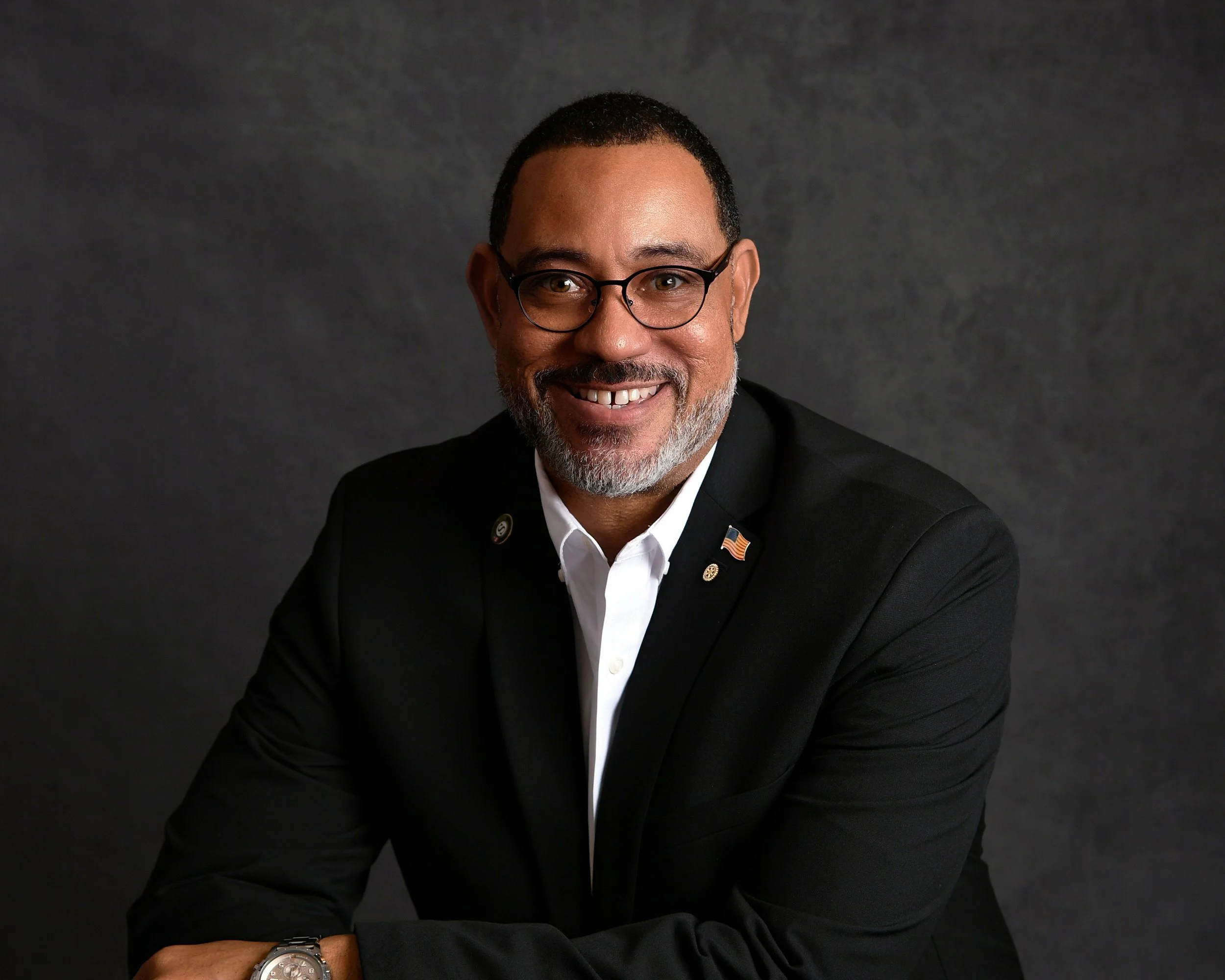
We’re thrilled to share that Tauhric Brown joined Bauer Family Resources as CEO this fall.
He brings more than 35 years of cross-sector leadership experience and a deep commitment to systems change, strategic growth, and mission-driven innovation.

Hiring for development is different. Development staff directly impact donor trust, fundraising pipelines, and revenue. A strong hire can deepen relationships and sustain momentum, while a poor hire can damage connections that took years to build and create costly turnover. Interviews are the best chance to see beyond a polished resume to how a candidate thinks and builds lasting donor relationships.
Here’s the problem: We ask nonprofit CEOs, executives, and board members to predict how they’d act in a tough situation instead of looking at how they’ve actually handled challenges before. But leadership isn’t theoretical. Leadership is what you do when you’re in the seat.