

Nonprofit executive transition firm Talbott Talent welcomes Jill Doyle, IOM, as its new Principal Consultant of Nonprofit Solutions.
Doyle will lead Talbott Talent's efforts to help nonprofits identify needs as it relates to executive transitions and hiring. In her role, Doyle will partner with nonprofit leaders and boards across the United States to provide custom solutions for nonprofits, helping them find the best leaders for their organizations and strengthening their overall effectiveness.
Jill Doyle comes to Talbott Talent with over 25 years of nonprofit and association leadership experience. Prior to her position at Talbott Talent, Doyle worked as the Executive Director of Hamilton County Leadership Academy, where she led and executed all of the nonprofit’s operations, including facilitating board communication, executing on programming, and developing and implementing the strategic plan.
Doyle also served over 15 years with the Indiana CPA Society, first as Director of Leadership and Outreach and then Vice President of Member Services. Most recently, Doyle served as the Executive Assistant to the Superintendent of Westfield Washington School Corporation, where she focused on school board and stakeholder relations, including administering all areas of the school board’s operations.

Last week, I came across a LinkedIn post by Leslie Bailey, the founder of Indy Maven. She shared some powerful insights on the lessons she learned when she had to close Maven Space, her coworking and event space. While Leslie's focus was on her own experience, I found myself reflecting on how much of what she said applies to anyone running a business, especially in the nonprofit world.
Here are a few key takeaways from Leslie’s post that really stood out to me.

Fast forward to today, and I run a people-first business. I spend my days talking with nonprofit leaders, helping them build strong teams and make important decisions, and investing in relationships that truly matter. And if you asked most people who know me, they’d probably say, Leah’s a people person.

Eight years ago, Talbott Talent was born from a season of challenge and transformation. In this milestone reflection, our Chief Executive Officer, Leah York, shares the deeply personal story behind our founding, the lessons learned along the way, and the commitment to nonprofits that has guided us from day one.

As the year draws to a close, Leah York, Chief Executive Officer of Talbott Talent, reflects on the connections that define her personal and professional journey. From monthly gatherings with close friends she affectionately calls her "Aries sisters" to reconnecting with her brother John, visiting from Lisbon, Leah finds inspiration in relationships that challenge, support, and ground her.

Here’s a truth that many of us face as women leading businesses or nonprofits: people sometimes underestimate what we’re building. They may see the results without knowing the work that goes into it, or worse, they may assume our efforts are just “small” projects rather than real, meaningful work.

Leadership transitions don’t have to feel overwhelming or rushed. By taking the time to assess your needs, engaging an objective perspective, and broadening your talent pool, you can make decisions that set your organization up for long-term success.

Saying no is often hard, especially when I care so much about the work I do and the community I live in. But I have learned that if I don’t set an intention for my resources in advance, it’s easy to overcommit. And, when I overcommit, then I deplete my resources. It’s the law of diminishing returns.

Leadership transitions can make or break a nonprofit. Many boards, focused on familiarity, miss the chance to innovate. Acme Social Service Agency and Think Forward Association both faced crises by replicating the past or hiring for prestige rather than practical skills. These cases highlight the need for objective, forward-thinking leadership to navigate change and secure long-term success.

In 2019, I made a vow to pursue only what makes my heart sing—a simple but powerful decision that transformed my life. From rediscovering my love for biking to finding joy in solo travel, I've learned that it's the small, everyday choices that lead to a fulfilling life. It's not always easy, but the journey to living a life that truly resonates with my heart has been more rewarding than I could have ever imagined.
"I am excited to work with Talbott Talent and the variety of nonprofits we are able to serve,” states Doyle. “We work with organizations of all sizes and impact a variety of different causes. I look forward to listening to leaders and helping them find the best solutions to their needs.”
Jill Doyle is an Indiana native and proud Butler University graduate. In addition to her professional leadership roles, Doyle is a founding member of the Women of Westfield (WOW) and is currently Secretary of the City of Westfield’s Redevelopment Commission (RDC), where she has served for 8 years. She is an active volunteer with Open Doors and Meals on Wheels. Jill and her husband, Dan, have lived in Westfield, Indiana for 16 years and have two daughters, Erin and Allison.
“Jill has that rare combination of the ability to see and orchestrate at the strategic level and also to implement and execute at the tactical level,” states Leah York, President and Founder of Talbott Talent.
“Combine that with her experience as a nonprofit executive director and she’s able to enter into any conversation with nonprofit board or staff leaders and handily guide them to the solutions they need for their organizations. I’m so pleased Jill has joined our team!”
About Talbott Talent
Talbott Talent is a team of experienced nonprofit professionals providing executive transition services exclusively to nonprofit organizations nationwide. By creating strategies for leadership and legacy, Talbott Talent helps these nonprofits effectively execute their missions for years to come. Contact Jill Doyle at Jill@TalbottTalent.com.

By the time the board chair called, the transition was already off track.
The executive director had given notice. The board rushed to post the role. The staff were nervous. Donors were asking questions no one felt ready to answer.
On paper, they were “in process.” In reality, they were stuck.
Hiring and supporting the executive director or CEO is the single most important job your board will ever do. A smooth executive transition requires preparation, clarity, and honest decisions about what your board can handle on its own.
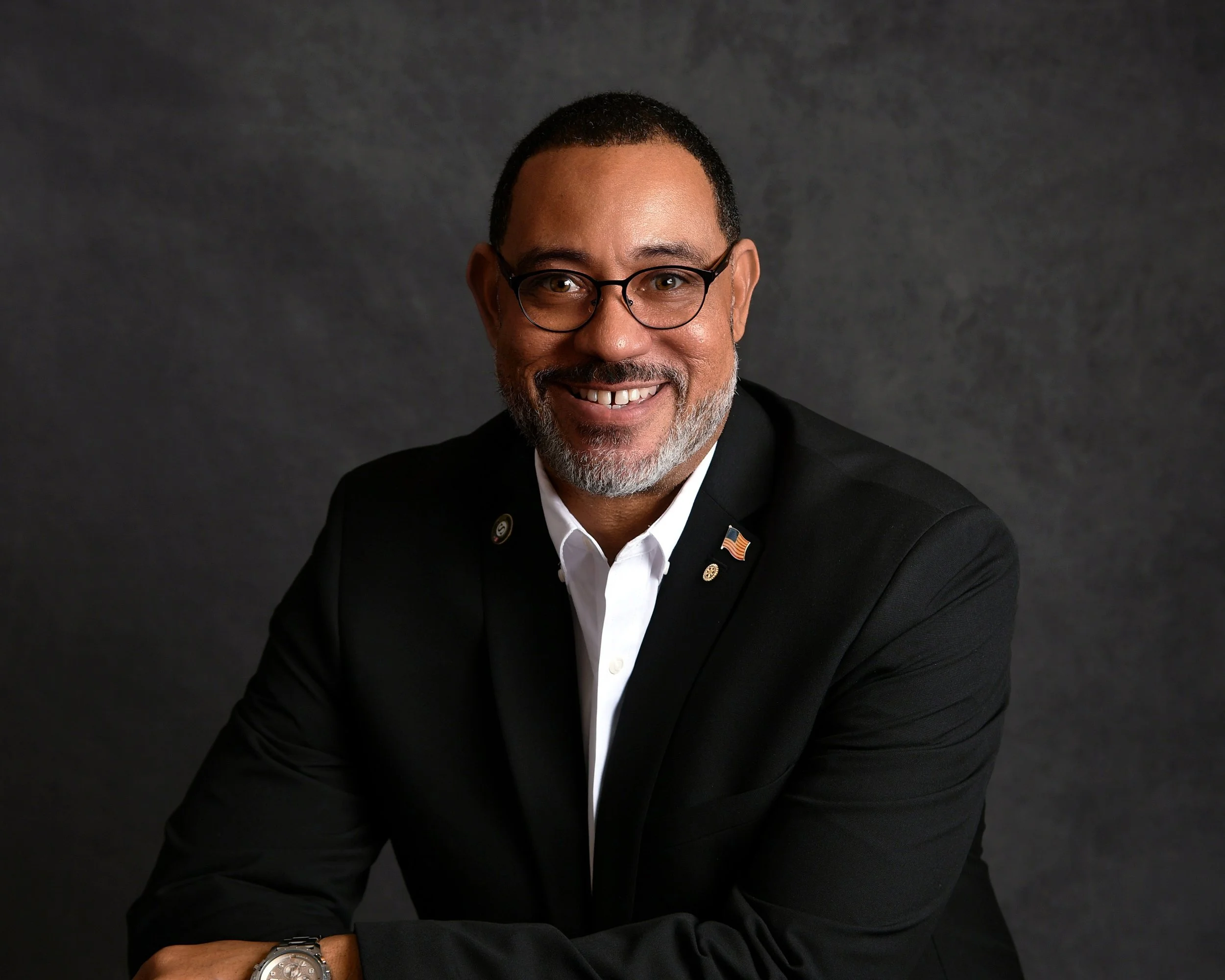
We’re thrilled to share that Tauhric Brown joined Bauer Family Resources as CEO this fall.
He brings more than 35 years of cross-sector leadership experience and a deep commitment to systems change, strategic growth, and mission-driven innovation.

Hiring for development is different. Development staff directly impact donor trust, fundraising pipelines, and revenue. A strong hire can deepen relationships and sustain momentum, while a poor hire can damage connections that took years to build and create costly turnover. Interviews are the best chance to see beyond a polished resume to how a candidate thinks and builds lasting donor relationships.
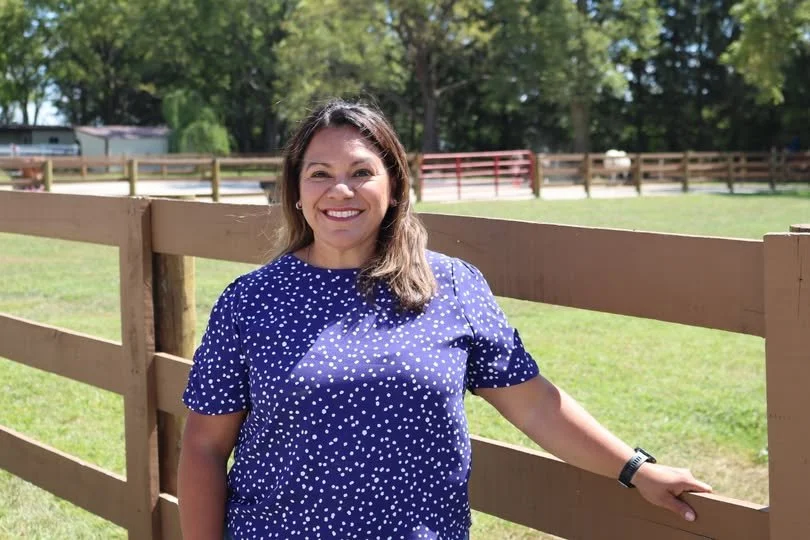
Agape Therapeutic Riding Resources has announced Denisse Jensen as its next Executive Director. Denisse brings more than two decades of leadership experience in nonprofit operations, strategic growth, and stakeholder engagement, with a track record of growing mission-driven programs and fostering inclusive community support.

A successful board executive search shapes your organization’s future. Talbott Talent’s guide offers practical steps to lead transitions confidently, from defining leadership needs and building a strong search committee to engaging top candidates and planning onboarding. Prepare your board to turn leadership change into growth, not risk. Don’t leave your organization’s future to chance.
Last week, I came across a LinkedIn post by Leslie Bailey, the founder of Indy Maven. She shared some powerful insights on the lessons she learned when she had to close Maven Space, her coworking and event space. While Leslie's focus was on her own experience, I found myself reflecting on how much of what she said applies to anyone running a business, especially in the nonprofit world.
Here are a few key takeaways from Leslie’s post that really stood out to me.

Even mission-driven organizations make hiring harder than it needs to be. In today’s talent market, a slow or unclear process, vague questions, or outdated expectations can cause top candidates to walk away. This post breaks down five of the most common mistakes nonprofits make when hiring, from overloading candidates with take-home projects to clinging to outdated job profiles and offers straightforward fixes. If you’re ready to build a smarter, more equitable hiring process, this one’s worth a read.

Near East Area Renewal has named Emily Scott as its next Executive Director. With a background in nonprofit leadership and public service, Emily brings a strong track record in community development, workforce strategy, and cross-sector collaboration. She will officially begin her new role on May 12.

Titles Aren’t Just Labels. They’re Signals. I hear it all the time from candidates and clients alike: "I don’t really care about titles."
And while I understand the instinct behind that, I actually think we should care. Not because we’re chasing status, but because titles communicate authority, clarify expectations, and shape how a role fits into the bigger picture of the organization.
Your title gives people around you, both internally and externally, clues about the way you operate.
A strong title doesn’t inflate someone’s ego. It aligns perception with reality.

If you’re still opening interviews with “Where do you see yourself in five years?”, it might be time to rethink your approach. At Talbott Talent, we work with nonprofit leaders who want real insight—not vague hypotheticals.
Behavioral-based questions don’t just check boxes. They reveal how someone thinks, solves problems, and learns from experience. It’s one of the simplest, most effective upgrades any hiring process can make.
Here’s the problem: We ask nonprofit CEOs, executives, and board members to predict how they’d act in a tough situation instead of looking at how they’ve actually handled challenges before. But leadership isn’t theoretical. Leadership is what you do when you’re in the seat.